
Can Glass Save Arctic Sea Ice?

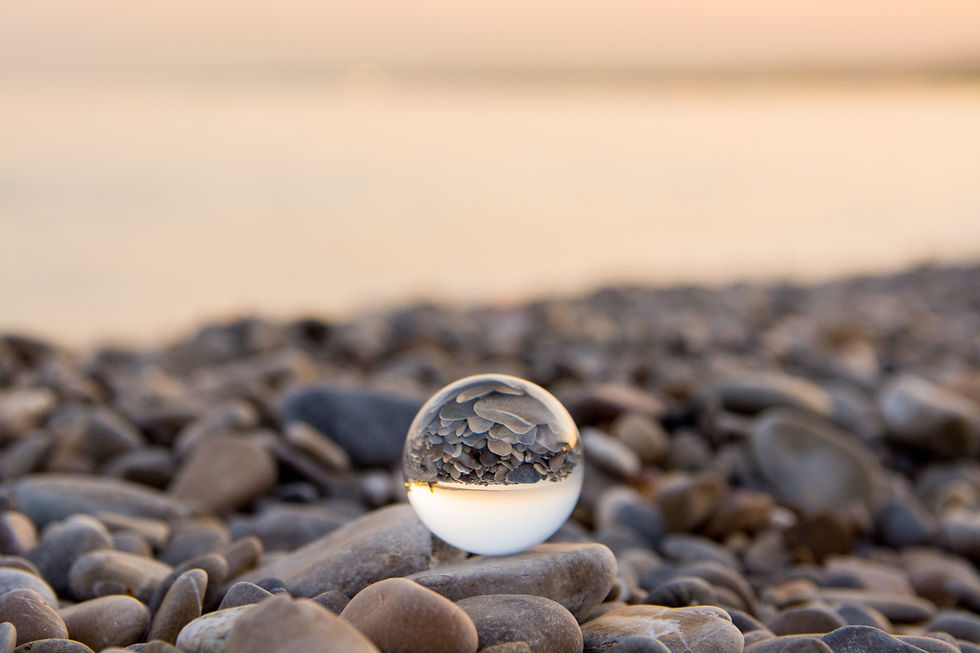
With global temperatures rising, arctic sea ice is at a historic low, and as experts fighting to save the frozen continent believe they may have found an unlikely hero: glass. A US-based NGO, the Arctic Ice Project, has put forward an innovative geoengineering solution to protect the ice at the Earth’s northern pole by scattering a thin layer of reflective glass over parts of the Arctic. While the idea may seem odd, there is some science behind their methodology.
Snow and ice act as a mirror reflecting solar radiation off the Earth’s surface, and as ice gets progressively older, its reflective properties continue to increase. Ice and snow loss as a result of higher temperatures have led to more solar radiation being absorbed, in turn leading to additional heat. This vicious cycle of reduced reflection and increased absorption threatens to lead to total ice loss at both polar caps, but as Arctic Ice Project’s chief technical officer Laura Fields explains, the delicate balance can be restored.
Research carried out by Fields and her team showed that adding small glass beads with highly reflective properties to ice and snow raised their reflectivity by 20%, enough to slow both melting and heat absorption. Fields also points out that unlike other geoengineering methods that have been criticized for dramatically altering environments, the glass beads used are less than the width of a human hair and made of sand, which they believe will have no negative impacts on surrounding areas.
Despite still awaiting further testing and research into the feasibility of the project, there is mounting optimism that it could work as intended on a large scale. However, the team knows that their beads will only be a stop-gap solution and that they won’t be successful if the world doesn’t commit to reducing its carbon emissions.


Comments